Compare five abrasive-kit sourcing models
Decide when OEM production sourcing, a distributor, a trading company, a contract packer, or in-house assembly fits the buying brief.
Open guide →OEM private label abrasive kits, buffing wheel kits, sanding disc assortments, polishing compound sets, and drill accessory kits. Configure the assortment, packaging, buyer-supplied barcode data, sample approval and written quality plan before production.
SCOTTCHEN provides Shanghai-based B2B sourcing and OEM project support for abrasive kits and private-label assembly. The sourcing brief can combine buffing wheels, sanding discs, flap discs, sanding belts, cutting wheels, compounds and accessories. Each quotation must identify every component source, specification, packaging scope and acceptance plan.
The page shows kit-planning scenarios, not stocked products or an approved BOM. The buyer can submit an automotive, knife-making, drill-polishing or sanding concept; identified sources then quote component feasibility, grit progression, quantities, packaging and approval samples for the target channel.
Kit assembly, inspection and packaging should follow the buyer-approved bill of materials and pack specification. Before production, confirm component identity, quantities, visual checks, label data and carton marks in writing. Marketplace-related items such as buyer-supplied FNSKU labels or warning text can be scoped in the quotation, but current platform acceptance remains the buyer's responsibility.
A generic abrasive kit request does not identify a compatible product. Define the workflow and tool, component and grit progression, and the packaging or label scope before comparing a kit quotation or sample.
State the workpiece, substrate, tool interface and intended preparation, cutting or finishing sequence.
List candidate wheel, disc, belt, compound or accessory types, with grit, construction and exact component quantities.
Specify pack format, buyer-supplied artwork or barcode data, sample checks and the written acceptance record.
A candidate sourcing scenario for a staged buffing assortment. The website does not define a stock kit or approved bill of materials.
A candidate multi-grit assortment for a defined tool and process. Disc size, hole pattern, backing and grit progression remain RFQ fields until approved.
A project concept for wheel or trim finishing. Substrate, coating, tool, geometry, compound chemistry and desired result must be tested on the buyer's workpiece.
A small-tool finishing concept that requires material, tool and contamination controls. No metal suitability or finish result is promised without source data and representative testing.
A mixed-accessory inquiry for a specified drill or rotary tool. It is not described as universal; every shank, adapter, wheel and operating limit requires confirmation.
A belt-assortment scenario for a named machine, process and material. Belt dimensions, joint, backing, grain and grit progression are approved only for the quoted source and SKU.
A multi-source kitting concept with a higher verification burden. Each component retains its own manufacturer, applicable documents, tool compatibility and safety boundary.
Blister cards, color boxes, clamshells, cases or other formats can be quoted. Dieline source, materials, warnings, artwork, pack-out and channel acceptance require project approval.
A proposed BOM can mix categories only after each source, specification, compatibility, safety requirement, assembly site and pack constraint is quoted and approved.
Brand files, product images, approved multilingual copy and safety warnings are itemized in the artwork brief; printing is authorized only after rights, revision and sign-off are recorded.
Buyer-supplied FNSKU or UPC data, warning text and carton marks can be included in the approved pack specification.
The quotation identifies the selected components, specifications, packaging work and agreed inspection points.
Product images, instructions and listing-support materials can be discussed and itemized in the quotation.
Start with the target market, channel, price target, proposed contents, packaging and branding brief. The written response must state whether a BOM, packaging mockup or design resource is available, who is responsible, and the tooling, unit price, MOQ and lead-time assumptions; this page does not promise those deliverables.
Sample quantity, fee, payment milestone, component source, artwork and packaging scope are confirmed in the quotation. The buyer should evaluate the physical kit, product performance and packaging print, then approve the sample and any changes in writing before an order proceeds.
During order execution, component sources, assembly location, packaging work and inspection sampling follow the approved BOM, pack specification and quality plan. Buyer-supplied FNSKU or other channel data can be scoped and sample-scanned when written into those documents, but the buyer remains responsible for current marketplace rules and final acceptance. Consolidation and shipping responsibilities are confirmed in the quotation and Incoterms clause.
MOQ is quoted by kit BOM, component sources, packaging format, artwork, tooling and order quantity. Ask for evaluation, replenishment and mixed-SKU scenarios in the same quotation so the commercial assumptions remain comparable.
A custom kit can be evaluated from the buyer's bill of materials, target market and acceptance requirements. Candidate components may include buffing wheels, sanding discs, flap discs, belts, cutting wheels, compounds and accessories, but each component's production source, specification, quantity, packaging and inspection scope must be identified in the written quotation and approved sample.
Color boxes, blister cards, clamshells, shrink wrap, carry cases, foam inserts, wooden boxes or tins can be evaluated. Feasibility, tooling, artwork, warnings and buyer-supplied UPC or FNSKU data are confirmed in the approved pack specification and quotation; marketplace acceptance is not guaranteed by this page.
Buyer-supplied FNSKU or UPC data, carton marks, warning text and packaging instructions can be scoped in the quotation. It must identify the responsible party, artwork, sample stage, scan method and retained record; the buyer remains responsible for current marketplace requirements.
Lead time depends on component availability, artwork approval, packaging tooling, sample approval, assembly and inspection scope. Require dated milestones for materials, samples, production, inspection and shipment in the written quotation.
Buyer-supplied inserts can be included when the approved BOM and pack specification identify the material, quantity, delivery location, printing responsibility and placement. Assembly site, foam or tray work, sample approval, loss allowance and cost are confirmed in the quotation.
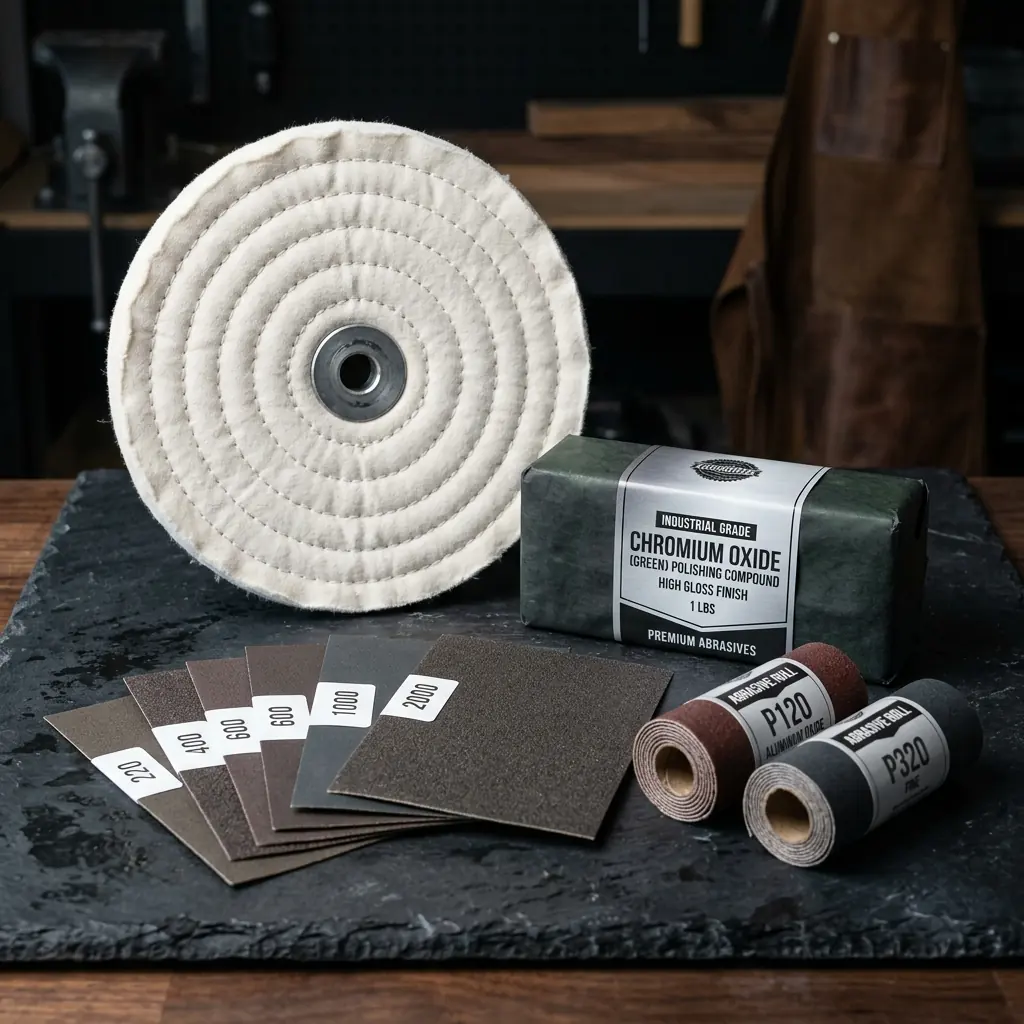
These short guides separate product fit, customization and verification questions so procurement teams can issue a more comparable RFQ.
Decide when OEM production sourcing, a distributor, a trading company, a contract packer, or in-house assembly fits the buying brief.
Open guide →Compare branding, assortment control, MOQ, validation work and replenishment tradeoffs before requesting quotes.
Open guide →Map wheel-restoration and metal-polishing workflows to a private-label kit, sample plan and packaging specification.
Open guide →Tool brands, distributors and online sellers can submit a scoped RFQ for component sourcing, samples and packaging approval; availability and terms are confirmed in writing.