Sanding Disc Wholesale & OEM Sourcing Support
OEM sanding disc sourcing for aluminum oxide, zirconia, silicon carbide, ceramic and mesh products. Confirm backing, attachment, grit, hole pattern, sample acceptance and quoted MOQ per SKU.
Start a Sanding Disc RFQ With the Required Selection Fields
These are buyer input fields, not published standard configurations. The proposed source, suitability, availability and commercial terms are confirmed only for a dated SKU quotation and approved sample.
Diameter & tool interface
Disc diameter, sander or pad details, arbor where applicable, and attachment interface.
Grain & grit
Target removal or finish stage, grit designation and grain requirement.
Backing & attachment
Backing construction, hook-and-loop, PSA, fiber or other required interface.
Hole pattern
Pad drawing, extraction layout and any required die-cutting details.
Workpiece & application
Substrate, current process, tool settings and acceptance criteria.
Packaging
Pack count, channel requirements, artwork, labels and barcode owner.
Sample plan
Representative tool and substrate, comparison method and approval record.
Quote scope
Quantity scenarios, destination, timing and commercial assumptions.
Shanghai B2B Sourcing & OEM Project Support for Sanding Discs
SCOTTCHEN supports sanding-disc sourcing from Shanghai across aluminum oxide, zirconia alumina, silicon carbide and ceramic configurations. Each quotation should identify the production source, backing, attachment, grain, grit, hole pattern, packaging, inspection scope and commercial terms for the exact SKU.
Buyers should verify which party performs jumbo-roll converting, die cutting, laminating, adhesive work and packaging for each quoted disc. Approval criteria can cover grit distribution, backing weight, attachment bond, dimensions and hole alignment, with representative samples retained for incoming inspection.
Whether the requirement is hook-and-loop discs, zirconia fiber discs, mesh discs or assorted grit packs, the RFQ should identify grain, backing, attachment, hole pattern, target substrate and packaging configuration. Trial and replenishment quantities are confirmed against the selected SKU scope.
Sanding Disc Types & Product Range
Hook & Loop Sanding Discs
Hook-and-loop backed sanding discs are designed for quick changes on random orbital sanders and dual-action polishers. RFQs can cover aluminum oxide, zirconia alumina, ceramic or other quoted grain options with paper, film or cloth backing. The exact production source, grain, backing, attachment bond and application suitability must be confirmed for the quoted SKU and approved sample.
- Disc diameter and pad or arbor interface confirmed by SKU
- Grit range confirmed for the quoted SKU
- Paper, polyester film or cloth backing as specified
- Hole pattern matched to the approved pad drawing
PSA (Sticky / Self-Adhesive) Sanding Discs
Pressure-sensitive adhesive sanding discs attach directly to a matching backup pad without a hook-and-loop interface. The adhesive, liner, backing, grain, use temperature, removal method and residue acceptance criteria should be confirmed for the quoted SKU and tested on the buyer's pad and substrate.
- Pressure-sensitive adhesive specified per SKU
- Pad diameter and surface confirmed before quotation
- Heat and residue criteria defined in the sample plan
- Grain and grit range documented in writing
Fiber Resin Discs
Rigid vulcanized fiber backing can be combined with aluminum oxide, zirconia alumina or ceramic grain for grinding applications. Buyers should confirm the disc diameter, arbor, backing, grain, labeled operating limit, compatible tool and guard, plus cut-rate and grain-retention acceptance criteria for the exact SKU.
- Diameter and arbor confirmed per SKU
- Backing thickness documented in the specification
- Grain source identified in the material record
- Grit and operating limit confirmed on the label
Quick-Change / Roll-Lock Discs
Compact discs can use threaded or twist-lock backing to connect to a matching holder on die grinders and pneumatic tools. Interface type, dimensions, holder fit, grain, backing, labeled operating limit and application suitability must be confirmed for the quoted SKU and approved sample.
- Disc diameter and holder interface confirmed by SKU
- Type R, Type S or Type TS interface as specified
- Grain or non-woven construction documented per SKU
- Holder fit verified with the buyer's tool setup
Mesh Anti-Clog Net Sanding Discs
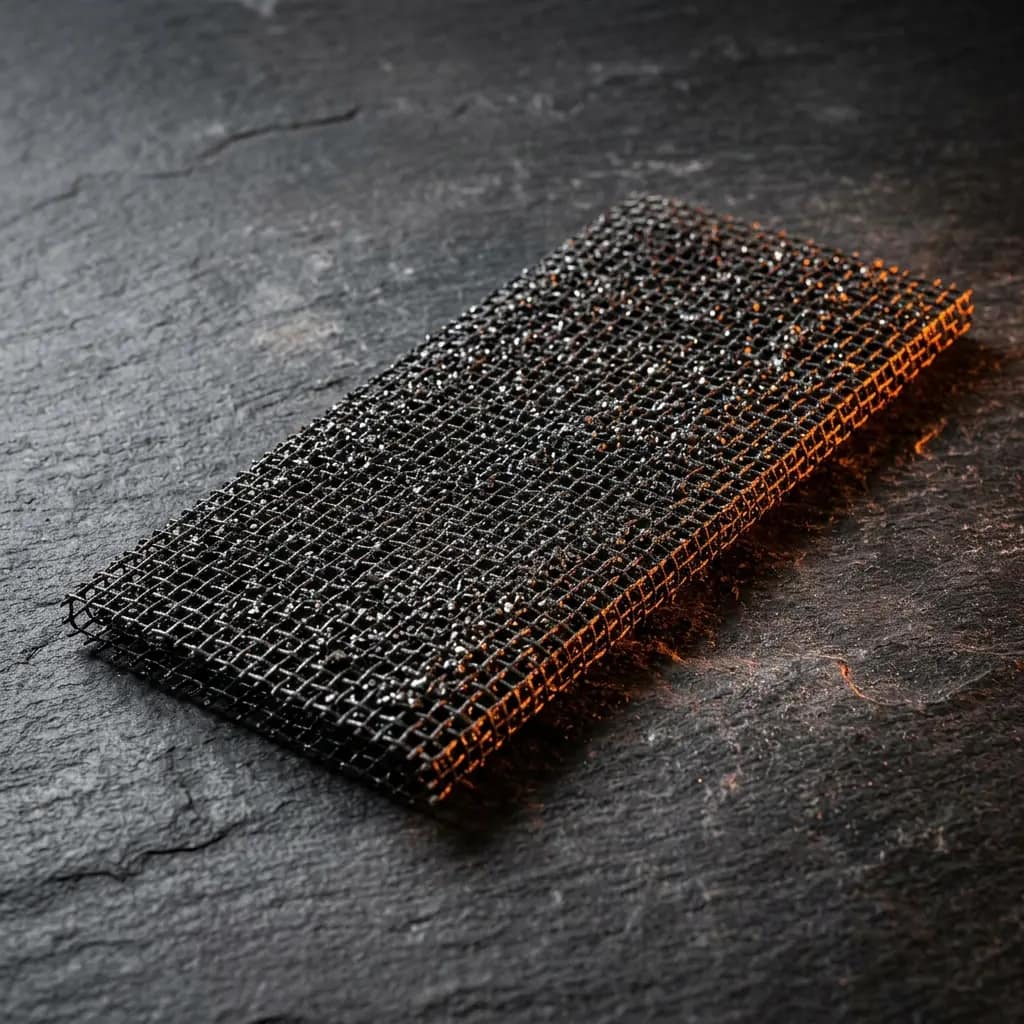
Open-mesh sanding discs use a porous structure intended to move dust through more of the disc surface than a fixed-hole paper disc. Dust extraction, loading, cut rate, service life and backup-pad compatibility depend on the complete tool and extraction setup and should be validated with representative samples.
- Open-mesh structure for dust-extraction trials
- Grain and anti-loading treatment quoted per SKU
- Pad and extraction compatibility verified on an approved sample
- Grit and application range confirmed in the written specification
Wet/Dry Sanding Discs
Wet/dry sanding discs can use latex-paper or film backing with silicon carbide, aluminum oxide or another quoted grain. The buyer should define the liquid, soak time, substrate, attachment and acceptance criteria for curl, shedding and scratch consistency before approving the SKU.
- Latex-paper or polyester-film options
- Grain selection confirmed per application
- Fine-grit range quoted per SKU
- Wet-use conditions validated on an approved sample
Applications
Sanding Disc RFQ Verification Points
Bond System & Shedding Test
Identify the resin or adhesive system and approve shedding, heat exposure and attachment-bond criteria on a representative SKU sample.
Loading & Cut-Rate Test
Confirm any anti-loading treatment, target substrate, tool speed and comparison method before accepting cut-rate or service-life claims.
Grit & Scratch Consistency
Define grit distribution, scratch-pattern and batch-consistency checks in the written quality plan.
Hole Pattern & Tooling
Confirm the hole drawing, die-cut tooling responsibility, pad fit and dust-extraction result through the approved sample.
Private Label & Retail Packaging
Shrink packs, clamshells, dispenser boxes and color sleeves can use buyer-approved barcode data, artwork and multilingual copy.
SKU-Level Quotation
Grain, backing, attachment, grit, packaging, MOQ, lead time and inspection terms are confirmed for each quoted combination.
OEM / Private Label Project Scope
SCOTTCHEN coordinates Shanghai-based B2B sourcing and OEM project support for sanding-disc programs. An RFQ can define grain, backing, hole pattern, attachment and packaging options, while the responsible production source, material documents, converting scope and inspection plan are identified for each quoted SKU.
Retail packaging options can include shrink-wrapped grit packs, clamshells, dispenser boxes, assortment packs and bulk contractor packs. Logo files, product specifications, grit designations, warnings and barcode data must be confirmed in buyer-approved artwork and checked against current channel rules.
Assorted-grit kits, interface pads, backup pads and related accessories can be included in the RFQ. Final availability, compatibility, component source, MOQ and commercial terms depend on the approved sample and written quotation. Share the target market, tool interface and projected quantity for a scoped response.
Frequently Asked Questions
Q1:What is the MOQ for wholesale sanding disc orders?
MOQ is quoted per diameter, grit, grain, backing, attachment, hole pattern and packaging format. Custom patterns, ceramic materials and printed packs can require different setup quantities. Ask for mixed-SKU and trial-order assumptions to be stated on the quotation.
Q2:Which sanding-disc materials should an RFQ specify?
Common grain families include aluminum oxide for general-purpose work, zirconia alumina for higher-pressure metal applications, silicon carbide for hard or coated surfaces, and ceramic options for demanding stock removal. The RFQ should identify the exact grain source, backing, bond, coating and attachment for each SKU; suitability and performance are approved against a representative sample rather than assumed from the grain name.
Q3:How should custom sanding-disc hole patterns be quoted?
Provide the sander model, backup-pad drawing, disc diameter and required extraction layout. Standard or custom hole patterns, die-cut tooling responsibility, tooling charges, ownership, revision limits and fit acceptance must be confirmed in the quotation, approved drawing and representative sample before production.
Q4:Do you offer private label and retail packaging for sanding discs?
Private-label scope can include sleeves, clamshells, color boxes, dispenser packs and cartons with buyer-approved artwork. The buyer supplies current warnings, translations, barcode data and channel rules; the approved packaging specification controls the final pack-out.
Q5:How long does sanding disc production take?
Lead time is quoted after the SKU, material source, quantity, tooling, sample status and packaging artwork are confirmed. The written quotation should separate material preparation, sample approval, production, inspection and shipment milestones; no website range overrides the project schedule.
Q6:What is the shelf life and how should sanding discs be stored?
Storage limits depend on the backing, resin system, adhesive, packaging and applicable product guidance. Keep the quoted SKU dry, protected from direct sunlight, heat and solvent vapors, and retain any PSA liner. Required temperature, humidity, shelf-life basis and incoming test should be stated in the approved specification and supporting document.
B2B Sourcing Parameters
Related Categories
Buyer Decision Guides
Use these guides to align material selection, supplier checks and RFQ inputs before evaluating a sanding-disc sample.
Ready to Evaluate Our Surface Finishing Accessories?
Tool brands, distributors and online sellers can submit a scoped RFQ for component sourcing, samples and packaging approval; availability and terms are confirmed in writing.